
Malaysia, ASEAN Need Stronger Middle Class To Reduce US Reliance -- Liew
KUALA LUMPUR, Nov 26 (Bernama) -- Malaysia and its ASEAN neighbours need to build a stronger middle class to drive regional demand and reduce reliance on the United States market, said Deputy Finance Minister Liew Chin Tong.
He said this in response to a question on the proposed US tariff of up to 18 per cent on Malaysian goods, adding that concern over the levies reflected how heavily global economies had come to depend on the US as the “consumer of the last resort”.
“But it is time for us to really build a strong middle class here.
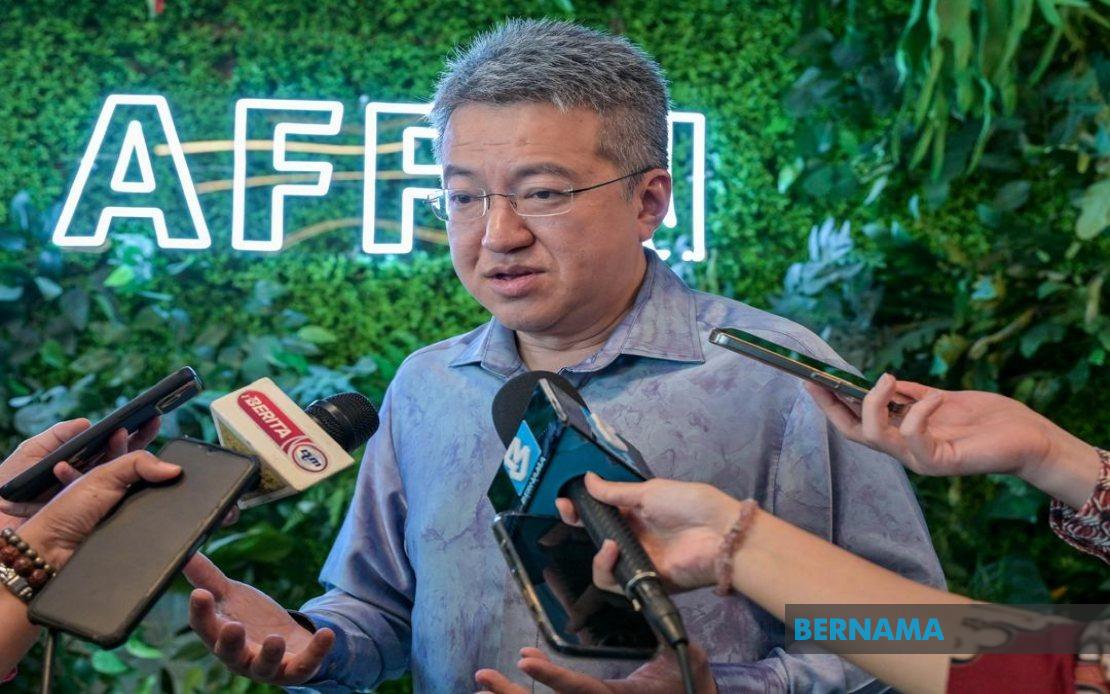
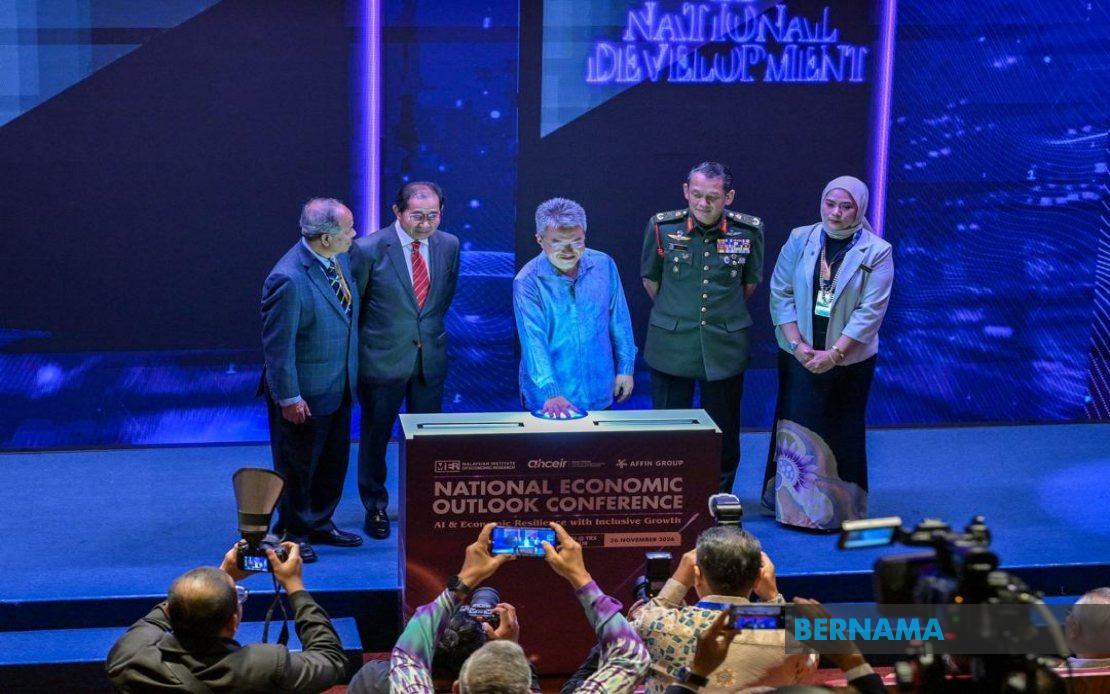
“When our people are richer, then we are not dependent on one market. Not just in Malaysia, but in ASEAN as well,” he told reporters after launching the National Economic Outlook Conference organised by the Malaysian Institute of Economic Research (MIER) here today.
Liew said the need to strengthen purchasing power extended across ASEAN — a larger middle class would be able to support consumption within the region.
Earlier in his speech, he said the US had been a major market for export-led economies such as Germany and Japan since the end of World War 2.
He said production capacity was growing faster than US demand could absorb, raising the risk of trade wars if other consumer markets did not grow.
“For Malaysia, Liew said building a stronger middle class would require more Malaysians to earn higher wages and more small companies to grow into mid-sized firms capable of developing and owning technology.
“So when we frame our conversation, we often talk about small and medium enterprises, but (in reality), we need to create more mid-tier firms that own and create some level of technology, and through which create a strong middle class,” he added.
On data centres, Liew said he was “not worried” about potential US curbs on remote access to computing capacity, because he would like to see more computing activity in Malaysia and the region.
He said such remote access could involve Chinese firms leasing computing capacity from data centres in Malaysia and Thailand.
Liew added that carrying out more computing activity locally and building technology ownership will help Malaysia develop as a technology nation.
He also called on ASEAN countries to work more closely on investment incentives for multinationals, adding that competition for investment should avoid driving down wages and labour standards.
Malaysia, Singapore and Vietnam should ensure that special incentives offered to attract multinationals do not circumvent the global minimum tax, he said.
-- BERNAMA