
Sanofi's KL Hub Evolution Reflects Malaysia's Growing Role In Higher-value Regional Operations
By Engku Shariful Azni Engku Ab Latif
KUALA LUMPUR, Nov 26 (Bernama) -- Malaysia's ability to support increasingly specialised regional business operations is gaining importance as multinational companies seek to consolidate expertise, improve operational efficiency and adopt new technologies.
This evolution is evident with Sanofi, a French biopharmaceutical company that operates its Kuala Lumpur Hub in Malaysia.
Established in 2016 as a finance-focused shared services centre, the hub is marking its 10th anniversary this year. It has expanded over the past decade into a multifunctional regional operation supporting more than 20 markets across Asia Pacific and the Greater Gulf.
Its expansion reflects how regional hubs in Malaysia are moving beyond traditional shared services functions to undertake more complex work, drawing on local expertise to support business operations across multiple markets.
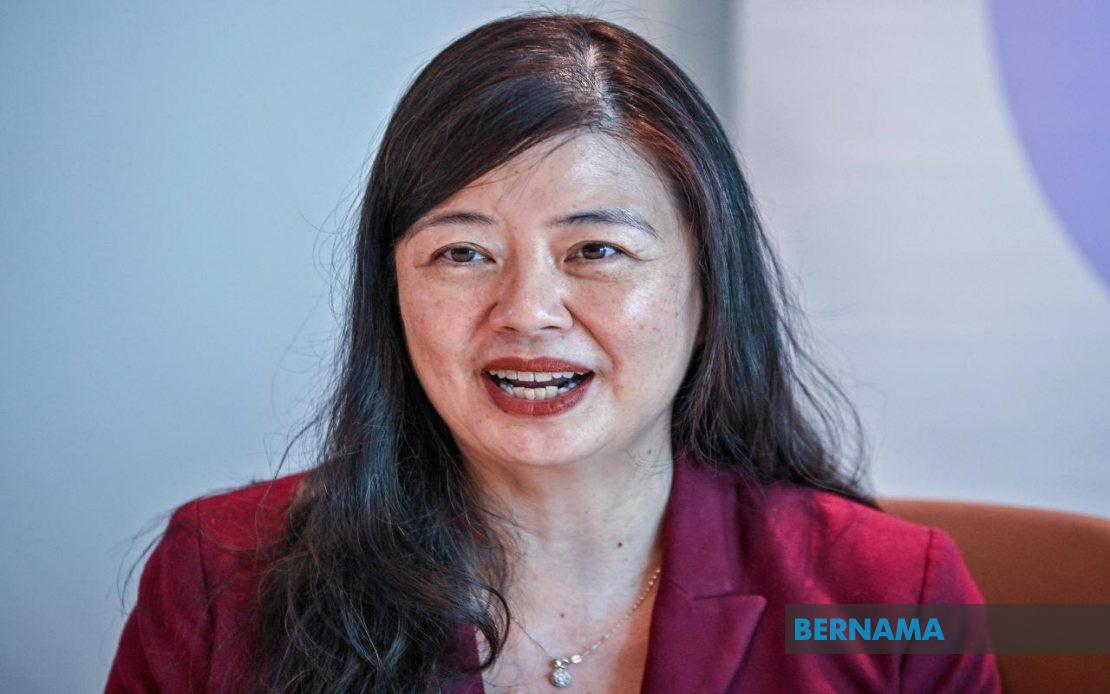
Trudy Tan, head of Kuala Lumpur and Chengdu - Hubs for Asia Pacific, said Malaysia's strengths in talent, infrastructure, connectivity and experience, coupled with its ability to attract and retain talent, continued to support its competitiveness as a regional hub.
She said maintaining this competitiveness would also depend on how companies develop their workforce alongside investments in technology.
"But, of course, investment in artificial intelligence (AI) also comes with the need to ensure that we invest in our people.
"That is what we have been doing at Sanofi, to ensure that we work together with technology to be able to drive faster outcomes, better efficiency and higher impact in terms of supporting the organisation," she told Bernama in an exclusive interview recently.
From Shared Services to Higher-Value Regional Operations
Over the past decade, Sanofi's Kuala Lumpur Hub has expanded beyond finance to include People Services, Manufacturing and Supply Services, Medical Services, Procurement Services, Go-To-Market and digital capabilities, reflecting a shift towards more specialised regional work.
Tan said the broader range of services reflected the hub's increasing ability to manage more complex responsibilities from Malaysia, while creating opportunities for local professionals to gain cross-functional expertise and regional exposure.
Beyond expanding the range of services, the shift towards regional operations also allows companies to bring together specialised expertise and establish more consistent ways of working across markets.
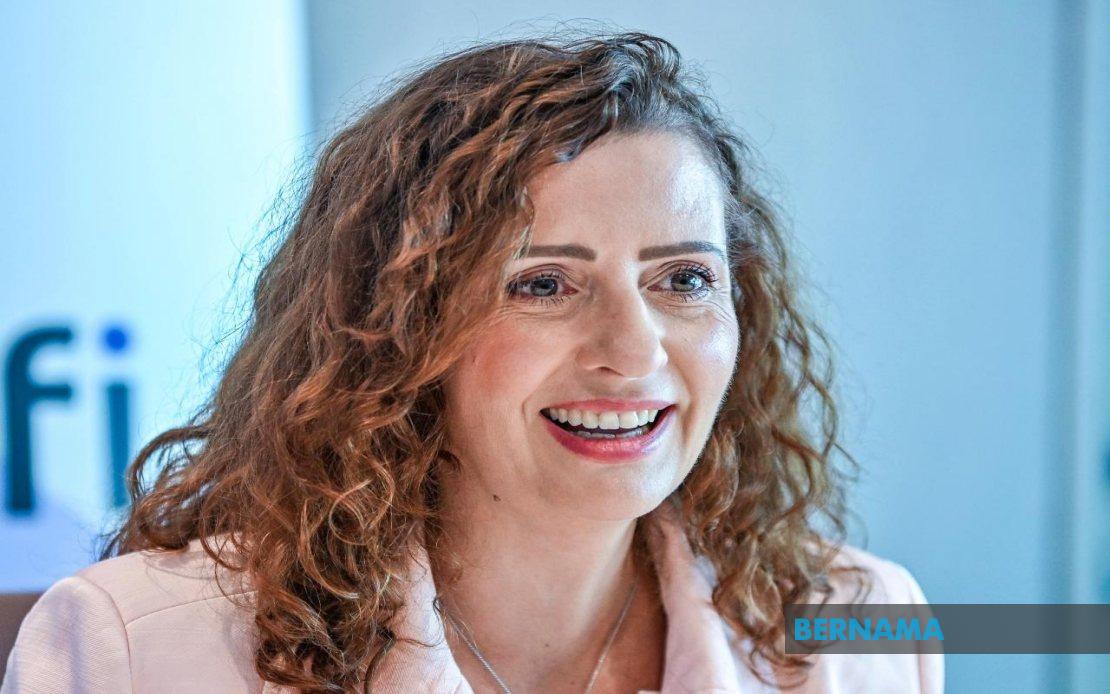
Sanofi’s head of business operations, Agnès Perré, said this approach was important for organisations seeking to improve efficiency and service quality at scale.
“If you want to achieve scale, you need to rely on core processes, models and systems. Bringing everything together in one place is the optimal way to standardise and industrialise operations while improving efficiency and quality," she said.
She said the benefits extended beyond cost and efficiency, as consistent processes and systems could also improve the quality and reliability of services delivered across different markets.
As these operations become more sophisticated, the ability to manage information and generate useful business insights is also becoming increasingly important.
For Sanofi, this involves closer collaboration between regional teams with expertise in finance, medical services, manufacturing and supply, and digital operations, alongside colleagues who understand the needs of individual healthcare markets.
The company's operational capabilities were also recently recognised at the SSON Asia Impact Awards 2026, where work undertaken across its Kuala Lumpur and Hyderabad Hubs received four awards: Silver for Automation and AI, Bronze for Change Management and Business Transformation, Bronze for Diversity, Equity and Inclusion and an Honorary Mention for Finance Transformation.
Preparing Talent for the Future of Work
As regional business operations become more technology-driven, the demand for professionals with specialised skills, digital capabilities and sound judgement is also expected to grow.
For Malaysia, developing these capabilities will be important in sustaining its attractiveness as a destination for higher-value regional work.
Perré said companies would need to equip employees with the skills and confidence to work with emerging technologies, noting that younger generations were often receptive to adopting new digital tools like AI technology.
"When they are away from the office, they use digital tools like AI constantly and they want to continue that journey. While these tools can transform the way we work, the greatest impact is delivered when human judgement is placed at the centre of these tools.
"In the end, we need people who can make sense of the insights generated by these digital and AI tools and translate them into value for the business. That is why we need to train our people to develop these capabilities," she said.
Such roles offer opportunities for Malaysian professionals to develop expertise in areas such as data analysis, process improvement and digital operations, while gaining exposure to different markets without having to relocate overseas.
Perré added that while companies must prepare their workforce for technological change, they also need to maintain the quality and reliability of their existing operations.
"We cannot only look ahead at digital tools like AI and think that the future is great. We also need to have a mandate to deliver on today," she said.
Building on a Decade of Growth
As Sanofi's Kuala Lumpur Hub marks its 10th anniversary, Tan said its next phase would focus on strengthening existing capabilities and delivering greater value, rather than expansion alone.
She emphasised that continuous improvement and a strong performance mindset would remain important as the Hub takes on increasingly specialised responsibilities.
"That is the passion and the fire within all of us to do the best we can, to have the right mindsets of continuous improvement, efficiency, impact and value, because we want to make a truly meaningful difference in enabling Sanofi to deliver its purpose: we chase the miracles of science to improve people’s lives," she said.
Echoing Tan’s views, Perré said the priorities over the next two years would include further consolidating operations, strengthening service quality and developing employees' capabilities to support more complex and higher-value work.
She added that closer collaboration across operations, including both hubs and in-country teams, would remain important to ensure that services were consistent across markets and responsive to local business needs.
Sanofi has six hubs within its global hub network, working with in-country teams to build a high-performance collaboration model, drive faster operations and deliver better outcomes for patients.
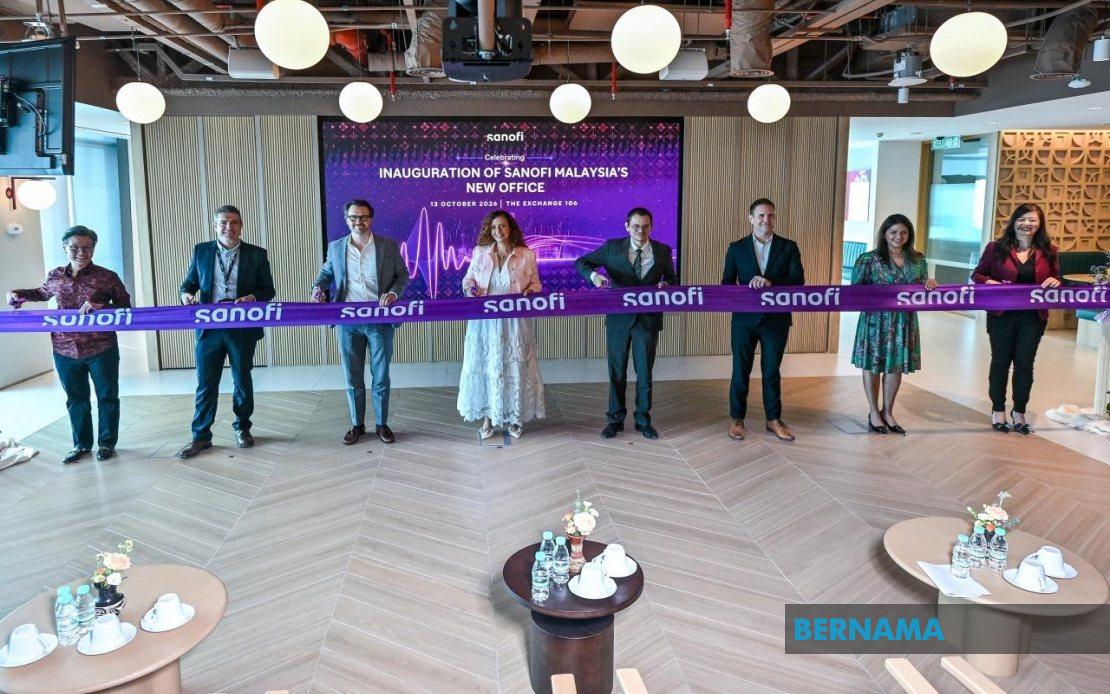
Sanofi KL Hub's next phase also coincides with the inauguration of the company’s new workplace at The Exchange 106 in Kuala Lumpur, marking another milestone in its decade-long presence in Malaysia.
Designed to encourage collaboration across teams and support employee wellbeing, the new office reflects the changing nature of regional business operations and the growing emphasis on creating workplaces that support more connected ways of working.
"We will continue to upskill our teams, invest in our people, continue to deliver, perform and transform, delivering measurable value to Sanofi, and ultimately, to patients, which is really our mantra, for the next two years,” Perré said.
-- BERNAMA